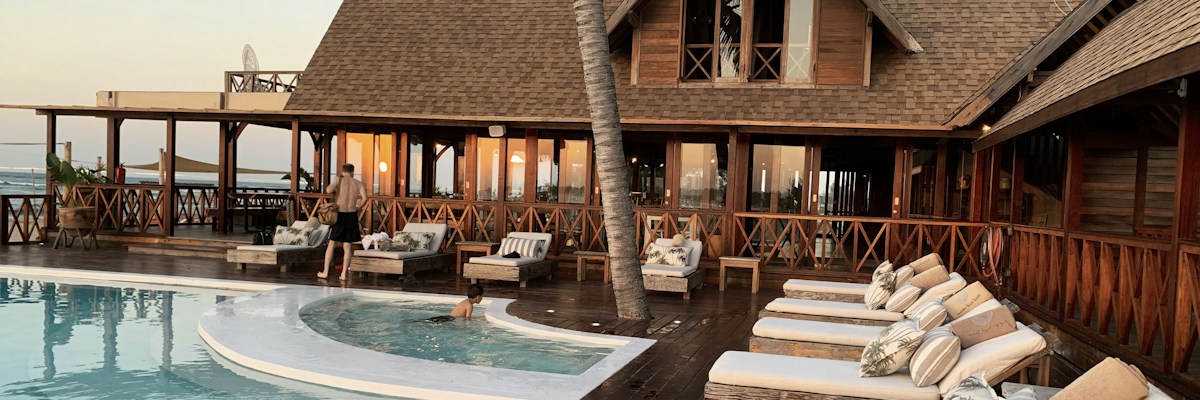
Hospitality in South Carolina

South Carolina Hospitality Intel

Thursday, June 11, 2026
3 min read
7 stories

Welcome to your daily briefing on hospitality developments in South Carolina. Today we're covering 7 key stories including updates on south carolina hospitality headlines, background & context. Let's dive in.

1

South Carolina Hospitality Headlines

4 stories

1.1

SC restaurants now display QR codes linking diners to inspection grades.

South Carolina diners can now access detailed restaurant inspection information by scanning QR codes with their smartphones.

Why It Matters

This transparency initiative gives SC hospitality operators a direct incentive to maintain rigorous food safety standards, as inspection results are instantly visible to potential customers.

Sources:Source
1.2

SCDA Retail Food Safety Team Inspects 22,000+ Establishments Statewide.

The South Carolina Department of Agriculture's Retail Food Safety & Compliance Department inspects approximately 22,000 retail food establishments statewide and issues permits to new facilities before they open.

Why It Matters

Hospitality professionals in SC rely on these inspections and permits to operate legally and maintain food safety standards across restaurants, grocery stores, food trucks, schools, and other institutions.

Sources:Source
1.3

SC Alcohol Beverage Licensing Requirements for Producers and Importers.

Manufacturers, including producers and importers, must obtain licenses from the SC Department of Revenue to authorize the production or importation of alcoholic beverages into the state.

Why It Matters

Hospitality professionals in SC who source alcoholic beverages need to verify that their suppliers hold valid ABL licenses to ensure legal compliance and uninterrupted supply chains.

Sources:Source
1.4

SC Alcohol Beverage License Requirements: Four Permit Types for Hospitality Businesses.

South Carolina law requires businesses selling or providing alcohol to obtain an Alcohol Beverage License or Permit, with four types available: Liquor, Food, Beer and Wine Permits, and Special Event.

Why It Matters

Hospitality professionals in SC must secure the correct ABL category to legally serve alcohol and avoid compliance violations that could disrupt operations.

Sources:Source
Sponsored

Advertise Here

Reach professionals in this market

Learn More
2

Background & Context

3 stories

2.1

Two questions you can ask about a service animal — and the eight you cannot.

Under ADA, staff may ask only (1) "Is the animal required because of a disability?" and (2) "What work or task has the animal been trained to perform?" Anything beyond — proof of disability, proof of training, demonstration of the task — is a violation. The animal can be excluded only for actual disruption, not breed or perceived risk.

Why It Matters

ADA complaints in hospitality settings are among the easiest to substantiate because staff scripts often deviate from the two-question rule. Settlements include training requirements that exceed the cost of training upfront.

2.2

Maximum occupancy and fire-marshal capacity are not the same number.

Building occupancy posted on a permit reflects load-bearing and exit-capacity design; fire-marshal capacity reflects egress under emergency conditions and may be lower. Operating to the higher number is a citation; operating to the higher number while blocking a marked exit is a fire-code violation that can close the venue same-day.

Why It Matters

A capacity citation is one of the few violations a fire marshal can act on in real-time during operations. Repeat findings can affect insurance and licensing renewal.

2.3

Most liquor licenses do not transfer with the business.

In most SC jurisdictions, liquor licenses attach to the licensee, not the business entity. Selling the business does not automatically transfer the license; the buyer typically applies for a new license, which can take 60-180 days. Operating during the gap is illegal in most states and may not be insurable.

Why It Matters

Restaurant acquisitions that close before license transfer can leave the buyer dark on alcohol service for months — typically 30-50% of revenue at full-service venues.

Never Miss an Update

Get South Carolina hospitality intelligence delivered to your inbox every morning.

Subscribe Free

Subscribe Free

Get South Carolina hospitality intelligence delivered daily.

Subscribe Now

Issue Summary

DateJun 11, 2026
Stories7
Sections2
Read Time3 min
Sponsored

Advertise Here

Reach professionals in this market

Learn More

Browse Archive

View all past issues

National Partner

Reach Professionals Nationwide

Feature your brand across the U.S., Canada, and select international markets and 10 industry verticals.

Become a National Partner